

If you are organizing an event in Nairobi, the first thing to understand is this: event planning here is not just about booking a venue and calling suppliers. Nairobi is one of East Africa’s busiest business capitals. Parliament sits here. Multinational headquarters operate here. International NGOs, development agencies, regional offices. The city hosts thousands of conferences, board meetings, product launches, and trade forums every year. Add to that destination weddings, private celebrations, and brand activations. The margin for error is thin.
Eagles Audio Visual works within that reality. Event planning is not decoration first. It’s structure first. Then production. Then experience.
Let’s break it down properly.
Corporate Event Planning in Nairobi: What It Actually Involves
Corporate events in Nairobi range from 20-person executive workshops to 6,000-delegate conventions. The scale changes everything. The planning changes with it.
Venue Infrastructure Matters
For large conferences, the Kenyatta International Convention Centre (KICC) remains central. Its plenary hall accommodates over 6,000 delegates. The Tsavo Ballroom handles about 5,000. That scale means you are dealing with:
- Advanced sound reinforcement systems
- Large-format LED screens
- Delegate registration systems
- Translation booths for multilingual events
- Complex security protocols
You cannot approach that casually. Power load calculations alone can affect your entire production plan.
Hotels like Villa Rosa Kempinski (up to 800 delegates) and Radisson Blu offer flexible conference suites suited for executive meetings and mid-sized forums. These venues typically provide in-house catering, baseline AV, and structured event support. But that doesn’t mean you skip production planning. In fact, many corporate brands prefer bringing in external production teams like Eagles Audio Visual to ensure higher-grade sound, lighting, and staging.
If the AV fails during a CEO keynote, the brand damage is immediate. No recovery.
What Professional Event Planning Actually Covers
People often think event planning is decoration and guest lists. It’s not. The serious work happens before the guests ever arrive.
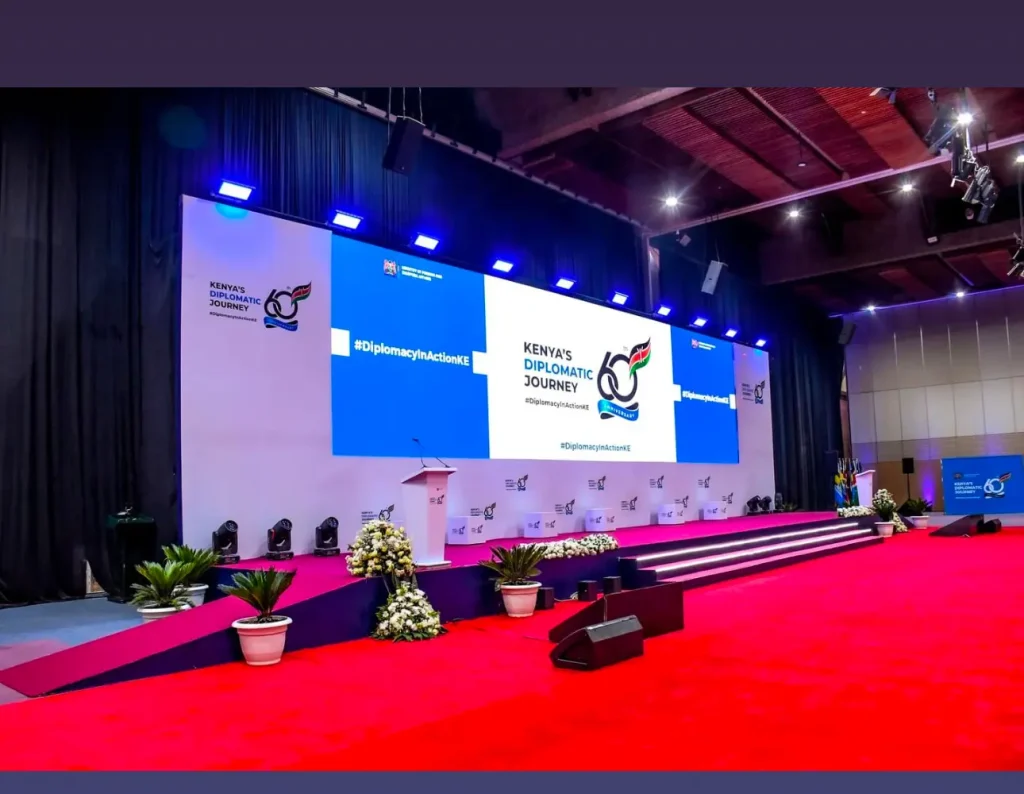
Here’s what a structured event planning process typically involves:
- Objective Definition
- Why is the event happening?
- Is it lead generation, internal strategy, brand visibility, stakeholder engagement?
- What metrics define success?
Without this, you cannot design properly.
- Budget Engineering
Event budgets in Nairobi vary widely. Large conferences can run into tens of millions of Kenyan shillings. Even mid-sized corporate events easily cross seven figures.A professional planner allocates budget categories:- Venue
- Audio visual production
- Catering
- Décor
- Talent
- Branding
- Security
- Contingency (usually 10–15%)
- Vendor Coordination
Eagles Audio Visual works alongside:- CaterersSet buildersLighting designersFabricatorsSecurity teamsEntertainment providers
- Production Design
This includes:- Stage layout
- LED wall placement
- Lighting plot
- Speaker positioning
- Branding visibility angles
- Camera coverage for live streaming
- Run of Show Development
A minute-by-minute program schedule is drafted:- Speaker transitions
- Media playback cues
- Award segments
- Stage resets
Experiential and Brand Activation Planning
Brand activations in Nairobi have grown significantly over the past decade. Companies no longer want passive conferences. They want immersive engagement.

This means:
- Interactive LED installations
- Custom stage builds
- Integrated lighting design
- Live content capture
- Hybrid streaming capabilities
Eagles Audio Visual focuses heavily on production-driven experiential planning. A product launch today is part physical event, part media moment. If the lighting is flat or the sound mix is poor, online audiences disengage immediately.
You must design for:
- In-room guests
- Social media clips
- Livestream viewers
- Post-event highlight reels
That changes staging decisions. Camera sightlines become critical. Screen brightness levels must be calibrated for broadcast.
These are technical details, but they determine perceived brand quality.
Wedding Event Planning: Why It’s Different in Kenya
Luxury weddings in Kenya are logistically intense, especially destination ceremonies.

Kenya offers:
- Maasai Mara — open savannah settings, wildlife backdrops, seasonal migration visibility
- Diani Beach — approximately 17 kilometers of white sand coastline, shallow clear water, palm-lined stretches
- Naivasha — lakeside settings and private ranch venues
But beauty doesn’t simplify planning. It complicates it.
Destination Wedding Realities
For a Mara wedding, planners must coordinate:
- Charter flights or road transfers
- Accommodation blocks
- Generator backups
- Mobile production rigs
- Permit approvals
Power reliability in remote areas requires backup systems. AV cannot depend on single-source electricity. Eagles Audio Visual typically deploys redundant systems for outdoor ceremonies. One failure during vows is unacceptable.
Coastal weddings require:
- Wind-resistant staging
- Sand-safe cable management
- Humidity-protected equipment
- Lighting that competes with sunset conditions
People often underestimate outdoor acoustics. Beach weddings without proper line-array speaker configuration lead to poor speech clarity. Guests miss vows. It happens frequently with DIY setups.
Common Event Planning Mistakes in Nairobi
Let’s be direct.
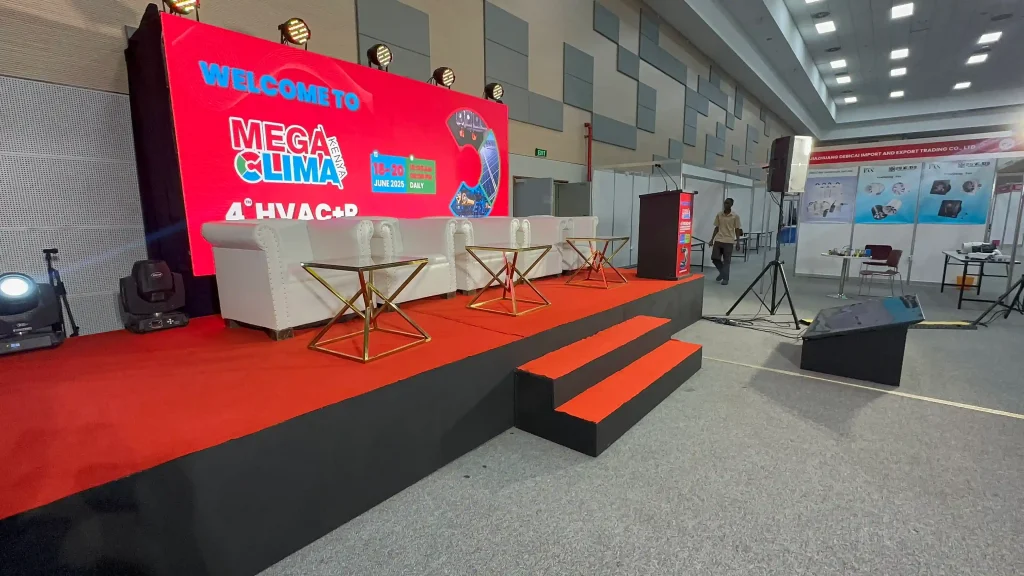
- Under-budgeting AV
Clients prioritize décor and cut production. That results in:- Feedback noise
- Poor lighting
- Unreadable screens
Guests remember technical flaws more than table centerpieces.
- Late Venue Booking
Peak seasons (especially October–December) fill fast. Nairobi hosts international conferences during those months. Delay booking and you lose preferred dates. - No Rehearsal
Skipping a technical rehearsal is risky. Stage cues must be tested. Slide decks must be preloaded. Microphones must be checked. A full dry run prevents 80% of live event errors. - Ignoring Guest Flow
Registration bottlenecks frustrate attendees. Poor seating layout disrupts visibility. Event planning must include spatial mapping. - No Contingency Plan
Rain plan for outdoor events.
Backup speakers.
Spare cables.
Alternative power.
If you don’t prepare, small disruptions escalate.
Gala Dinners and Executive Retreats
High-profile gala dinners in venues like Safari Park Hotel require integrated planning:
- Stage build for award presentations
- Follow-spot lighting for recipients
- Seamless media playback
- Scripted transitions

Executive retreats add another layer. When hosted in Nairobi National Park lodges or Karen-based estates, planners must integrate:
- Security logistics
- Transportation coordination
- Activity programming
- Discrete technical setup
Executives value efficiency. Sessions must start on time. Breakouts must be clearly guided. Sound must be balanced for dialogue, not just amplification.
Why Structured Event Planning Matters
Event planning is project management under public pressure. Unlike construction projects, you do not get a second opening day. The event happens once.
When Eagles Audio Visual approaches planning, the process usually follows:
- Discovery meeting
- Technical site visit
- Concept refinement
- Budget validation
- Vendor lock-in
- Production timeline mapping
- Rehearsal
- Live execution
- Post-event breakdown and reporting
Each stage reduces uncertainty.
Without structure:
- Budgets overrun
- Suppliers conflict
- Timelines collapse
- Guest experience declines
And reputation damage spreads fast in Nairobi’s tight corporate networks.
Regional Reach Across Kenya and East Africa
Event planning is no longer confined to Nairobi.
Coastal corporate retreats in Diani.
Conference summits in Mombasa.
Safari board meetings in the Maasai Mara.
Lakeside weddings in Naivasha.
Each location brings regulatory differences, vendor ecosystems, and logistical constraints.
Inter-county transport alone can affect timelines. Equipment must be moved safely. Accommodation blocks must be secured early. Permits vary by region.
Professional planners manage these moving parts quietly so clients focus on their purpose.
When to Start Planning
For corporate conferences:
- Minimum 3–6 months in advance for mid-sized events.
- 6–12 months for large conventions.
For destination weddings:
- 9–12 months is standard.
- Prime months require earlier booking.
Short timelines increase cost. Rush fees from suppliers accumulate. Availability shrinks. Flexibility disappears.
Final Thought
Event planning in Nairobi is complex because the expectations are high. International standards are normal here now. Guests compare experiences across continents.
Whether it’s a 5,000-delegate summit at KICC, a coastal wedding in Diani, or an executive retreat overlooking wildlife, execution quality defines perception.
Eagles Audio Visual approaches event planning as structured production. Clear objectives. Real budgets. Technical precision. Vendor discipline. Rehearsed execution.
That’s what prevents small mistakes from becoming visible failures.
And in this market, visible failure travels fast.
Related Services: